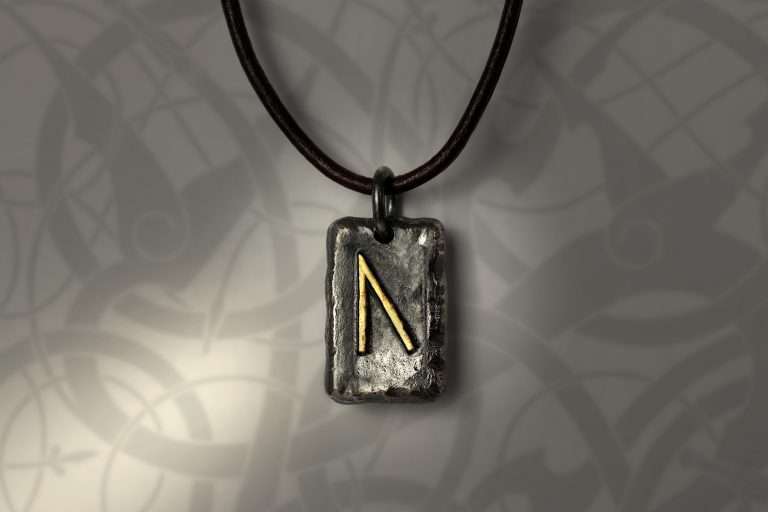
Ur
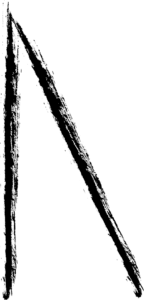
Ur usually represents the rune letter U, but can also be interpreted as Y, O, V and W. In old Norse ur means dross (iron slag) or rain, while in proto-Germanic elder futhark it is known as uruz interpreted as “aurochs” (an ancient type of wild ox) or water. Aurochs was known as a formidable, wild beast. In modern Scandinavian languages ur means first or original and is used as a prefix – aurochs in Norwegian is urokse – “ancient ox”. In this respect ur is a representation of our primal past.
Ginnungagap, þat er vissi til norðrættar, fylltist með þunga ok höfugleik íss ok hríms ok inn í frá úr ok gustr, en inn syðri hlutr Ginnungagaps léttist mót gneistum ok síum þeim, er flugu ór Múspellsheimi.
Ginnungagap, the part that faces the north filled with heavy and hard ice and frost and within there was rain and storm, while the southern part of Ginnungagap was lit up from flying sparks from Muspellheim.
Ur, meaning iron dross or slag, the byproduct of metal smelting, can be seen as representing the process of refining and purifying. Equally, it can also mean rain, further strengthening the interpretation as a symbol of purification and renewal.
Rain nourishes the earth allowing for growth and serves as a metaphor for cleansing and rejuvenation. It is also an essential life-giving force, a vital element for crops and to the Viking’s sustenance, and therefore also channels ideas of both fertility and fruitfulness.
Equally, interpreting it’s meaning as iron dross, the rune can represent the strength and resilience required to transform raw materials into valuable resources, highlighting themes of endurance and perseverance.
As a talisman, the Ur rune embodies the dual aspects of transformation and vitality. The rune’s connection to both the nourishing rain and the refining process of iron underscores its message of resilience and renewal, making it an ideal emblem for those seeking strength and renewal in their life’s journey.
-

 Quick View